
What’s walking distance from Capsule Hotel Copenhagen
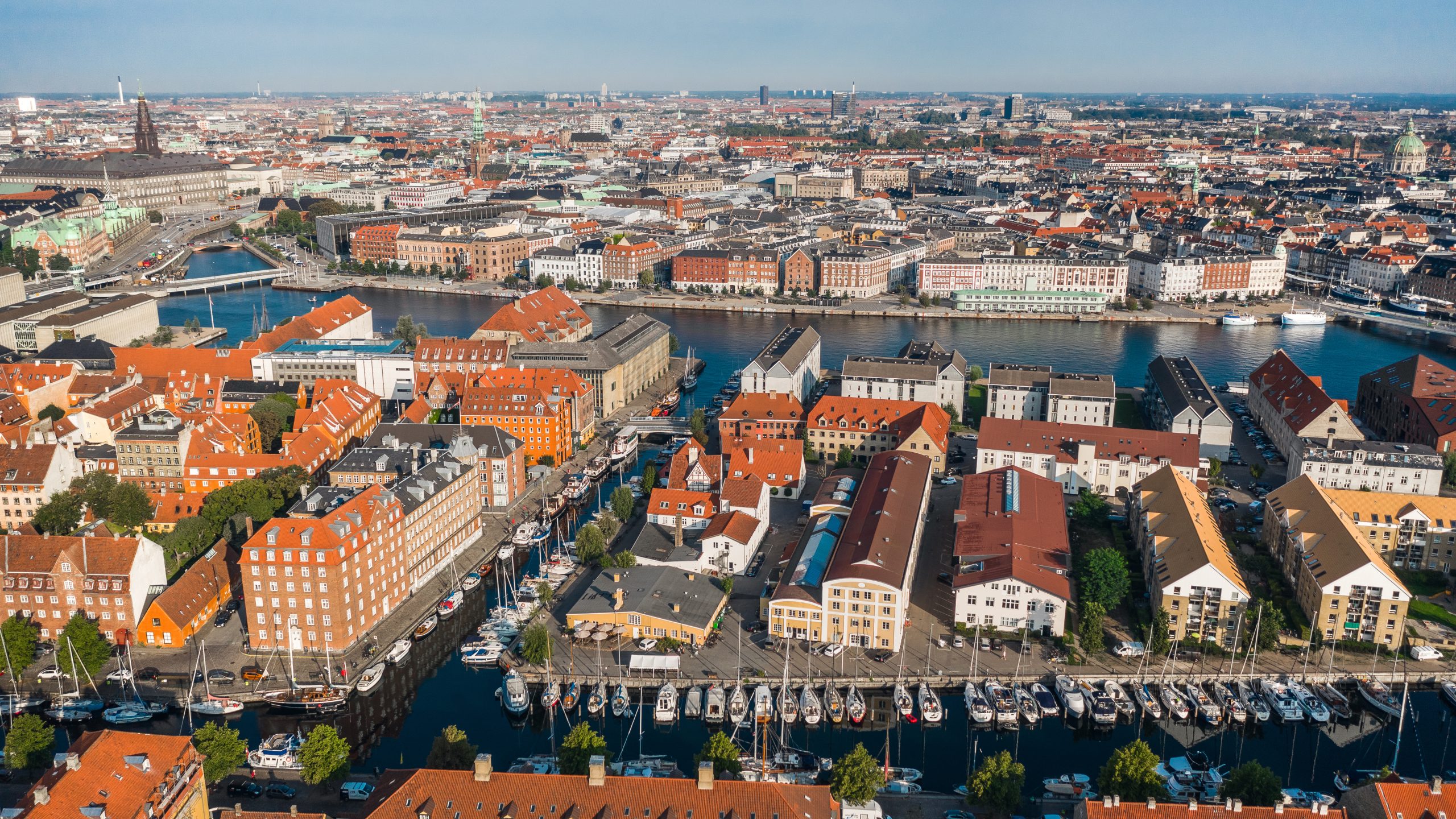
The hotel is at Abel Cathrines Gade 3 in Vesterbro, one of the best-placed addresses in Copenhagen for exploring on foot. The Meatpacking District is two minutes away. The train station is seven. Most of what Copenhagen is known for is within twenty minutes of the front door, and the neighbourhood itself is worth a morning on its own. Here is everything worth knowing.
Under 5 minutes
The Meatpacking District (Kødbyen)
Flæsketorvet, 1711 Copenhagen
Literally around the corner. Kødbyen is Copenhagen’s former cattle market, now one of the most concentrated stretches of restaurants, bars, galleries and nightlife in the city. Some of the old processing facilities still operate alongside all of it, which means on certain mornings you’ll leave a gallery opening and pass someone in a blood-splattered apron heading in for the early shift. The contrast is very Copenhagen. During the day it’s good for coffee at Prolog and lunch at Comé Rice Kitchen. After dark it becomes a different place entirely.
Halmtorvet
Just outside the hotel
The square directly adjacent to the hotel. On Saturday mornings from April to October it hosts a flea market where locals sell everything from vintage furniture to old records to things they clearly should not have kept as long as they did. Worth a look if you’re up early on a Saturday.
Istedgade
Running west from the station
Vesterbro’s main street, starting near the train station and running west through the neighbourhood. The stretch closest to the station still carries traces of its history as Copenhagen’s red light district, but it opens up quickly into independent shops, coffee roasters, bakeries and bars. A good street to wander without a plan.
5 to 10 minutes
Sønder Boulevard
About 5 minutes on foot
A broad, tree-lined boulevard that follows the route of Denmark’s first railway line, converted into a long green park in 2007. Locals use it for everything: morning runs, after-work beers, weekend picnics, kids on bikes. It connects to the Carlsberg district at the far end and runs past Folkehuset Absalon (see below) on the way. One of those places that reveals what daily life in Copenhagen actually looks like.
Folkehuset Absalon
Sønder Boulevard 73, 1720 Copenhagen — about 8 minutes on foot
A former church converted into a community house that runs daily communal dinners, ping-pong, talks, yoga, concerts and a rotating programme of events. The communal dinners are the main draw: a set menu, long tables, whoever turns up. You book a spot, pay around 80 DKK and eat with strangers. It is the kind of social experiment that sounds awkward on paper and tends to be excellent in practice. Check the programme before you go at absalon-kbh.dk.
Copenhagen Central Station (Hovedbanegården)
About 7 minutes on foot
The main station and the hub for everything: trains to the airport (15 minutes), regional trains, buses and the city’s metro. Useful to have located early.
10 to 15 minutes
Tivoli Gardens
Vesterbrogade 3, 1630 Copenhagen — about 10 minutes on foot
One of the oldest amusement parks in the world, open since 1843, and genuinely worth seeing even if rides are not the point. The gardens are beautifully kept, the illuminations in the evening are theatrical, and the atmosphere shifts completely between the daytime family crowd and the evening. It operates seasonally (summer and Christmas), so check opening dates before you go.
Ny Carlsberg Glyptotek
Dantes Plads 7, 1556 Copenhagen — about 12 minutes on foot
The art museum founded by Carl Jacobsen, the son of the Carlsberg brewery founder, who spent most of his fortune acquiring ancient Mediterranean art and French Impressionist paintings and then gave everything to the city. The collection spans 6,000 years across Egyptian, Greek and Roman antiquities, Rodin sculptures and paintings by Gauguin and Van Gogh. The building is as good as the collection: the 1906 Winter Garden at its centre, a glass-domed conservatory with palm trees, a fountain and mosaic floors, is the kind of room that makes people stop talking. Free on Tuesdays.
Værnedamsvej
About 10 to 12 minutes on foot
A short street on the border between Vesterbro and Frederiksberg that locals call “Copenhagen’s little Paris,” which sounds like the kind of thing people say about streets that don’t quite earn it. This one does. Wine bars, a specialist cheese shop, a French-leaning bakery, boutiques, café terraces that fill up on any afternoon with sun in it. The street is only 180 metres long and best approached without a list of things to find.
National Museum of Denmark
Ny Vestergade 10, 1471 Copenhagen — about 12 minutes on foot
Denmark’s largest cultural history museum, covering Danish prehistory, the Viking Age, the Middle Ages and ethnographic collections from across the world. Free entry. Worth at least two hours.
15 to 20 minutes
Nyhavn
About 20 minutes on foot
The 17th-century canal lined with painted townhouses that appears on every photograph of Copenhagen. It is extremely touristy and also extremely good-looking, and the two things are not unrelated. Worth seeing once, preferably in the morning before the tour groups arrive. Hans Christian Andersen lived at numbers 18, 20 and 67 at various points in his life.
Christiania
About 20 minutes on foot
The self-declared autonomous neighbourhood on Christianshavn that has operated outside standard Danish law since 1971. A genuine social experiment that has lasted over 50 years, with its own rules, its own culture, its own architecture and, on Pusher Street, its own economy. Worth an afternoon. Photography rules are strictly observed: no cameras on Pusher Street.
City Hall Square (Rådhuspladsen)
About 15 minutes on foot
The main public square, with City Hall on one side and the beginning of Strøget (the city’s main pedestrian shopping street) on the other. A useful orientation point and the meeting place for most guided walking tours.
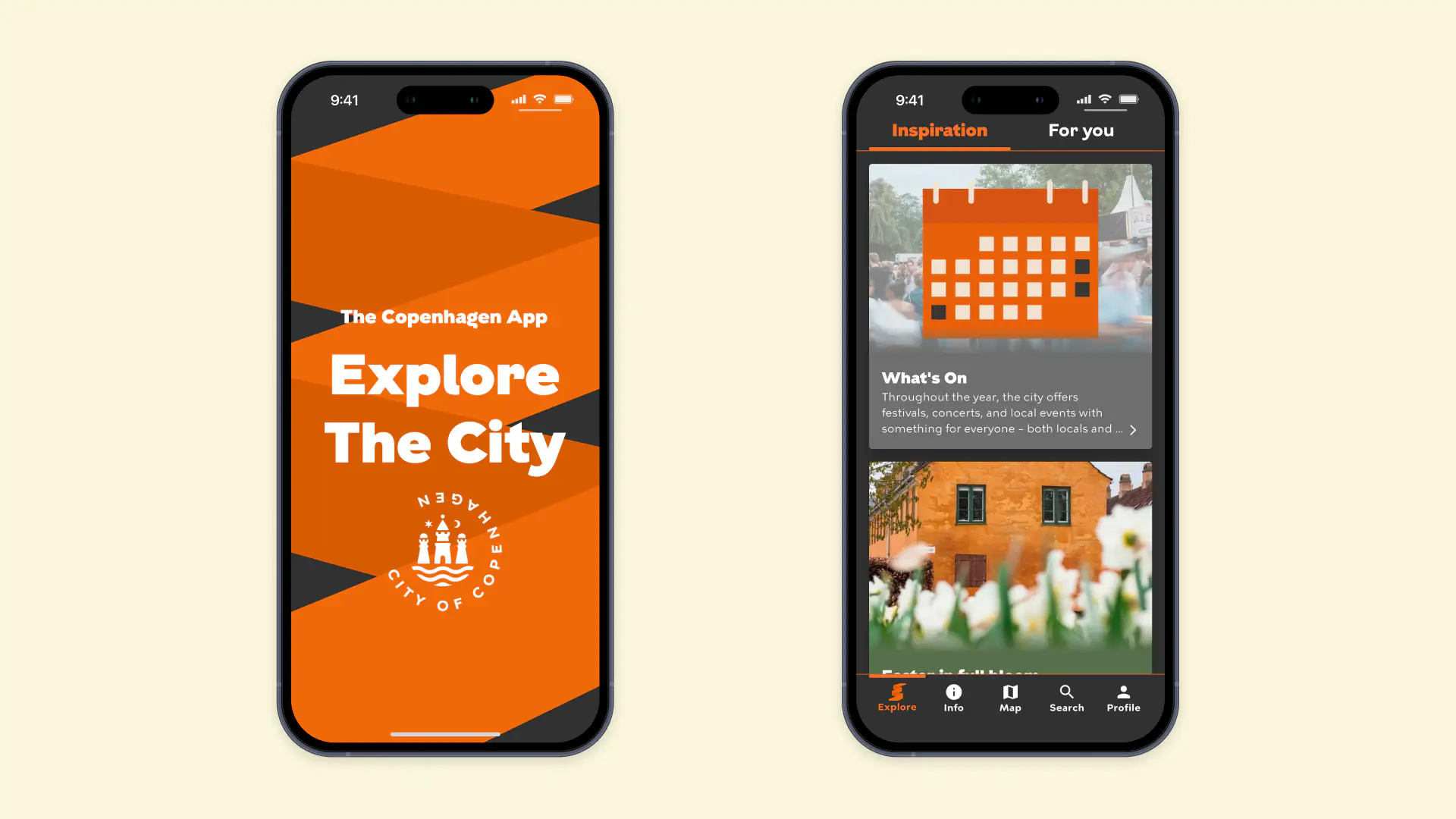
- The whole city is walkable from here. Ask at the desk for the route that suits the day you have in mind.
related articles

Foods and drinksSwitzerland
SwitzerlandThings to do
Foods and drinksSwitzerlandThings to do
SwitzerlandThings to do
SwitzerlandThings to do